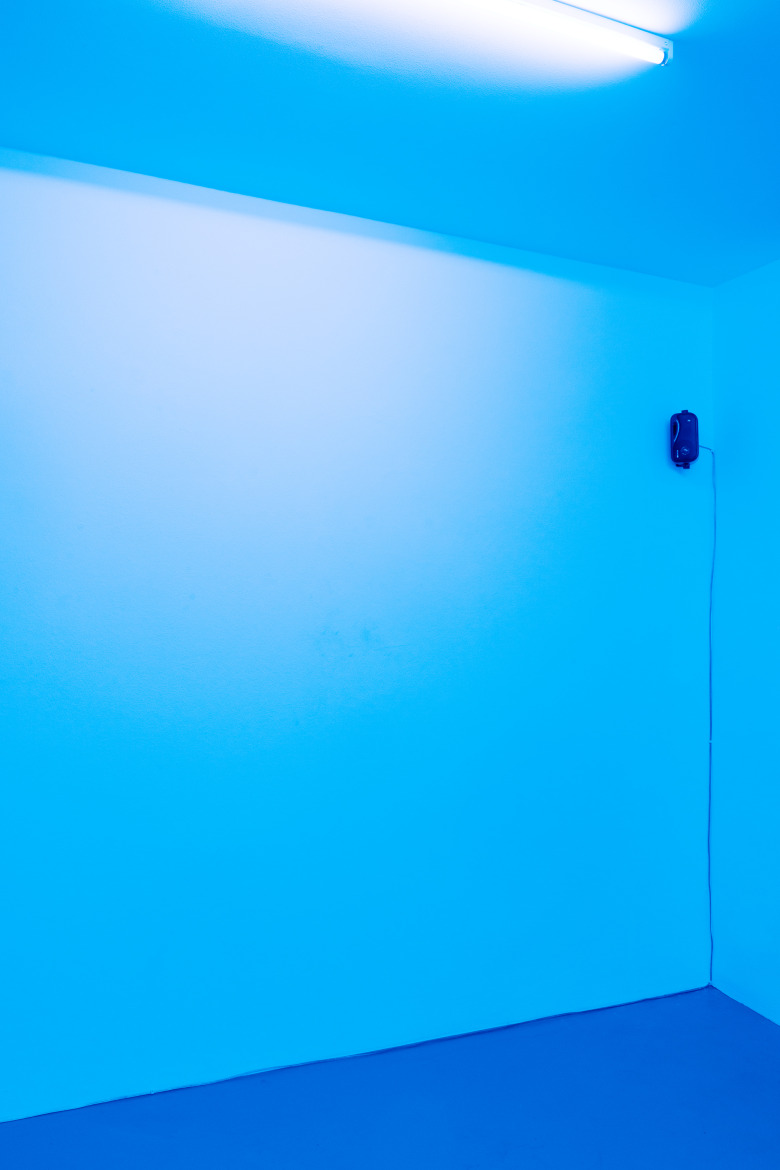
Martins Kohout, Still there, more or less, or not (Theme Reanimated), 2025, 4 channel audio, with the voices of Jackie Ess, Pálma Fazakas, Ellen Yeon Kim, Martins Kohout, and Dalia Maini. Composition by Martins and Pálma
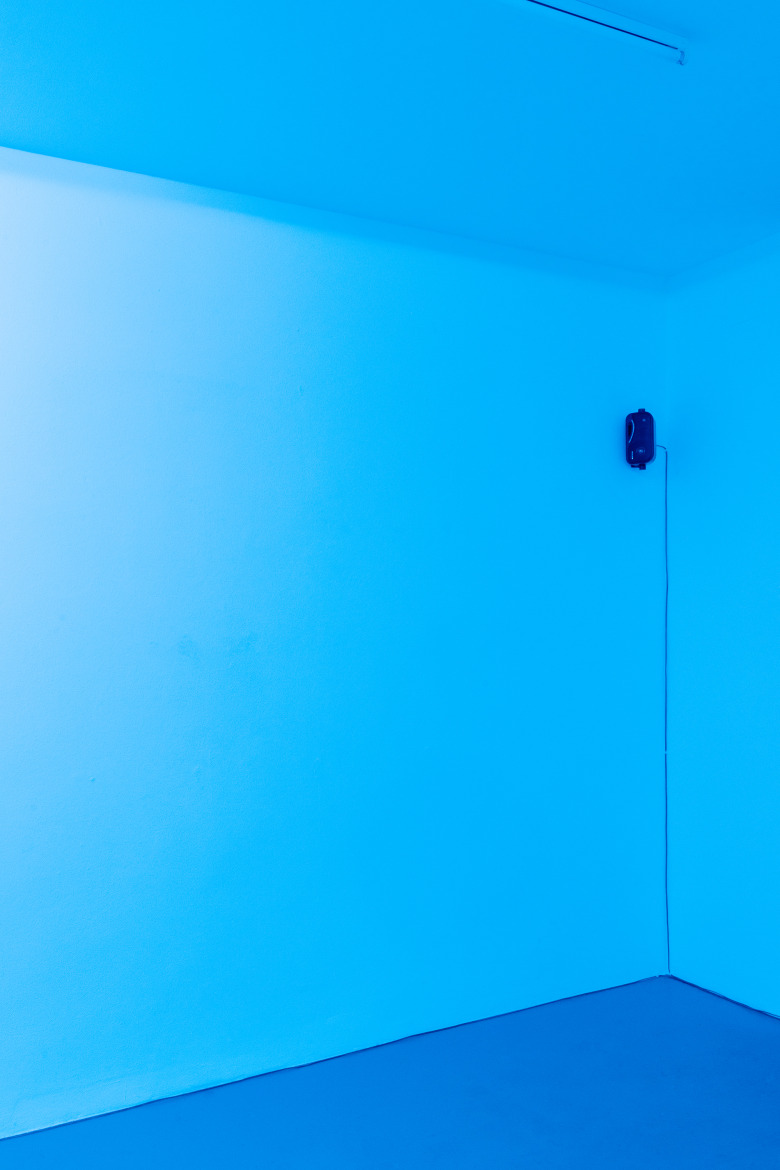
Martins Kohout, Still there, more or less, or not (Theme Reanimated), 2025, 4 channel audio, with the voices of Jackie Ess, Pálma Fazakas, Ellen Yeon Kim, Martins Kohout, and Dalia Maini. Composition by Martins and Pálma
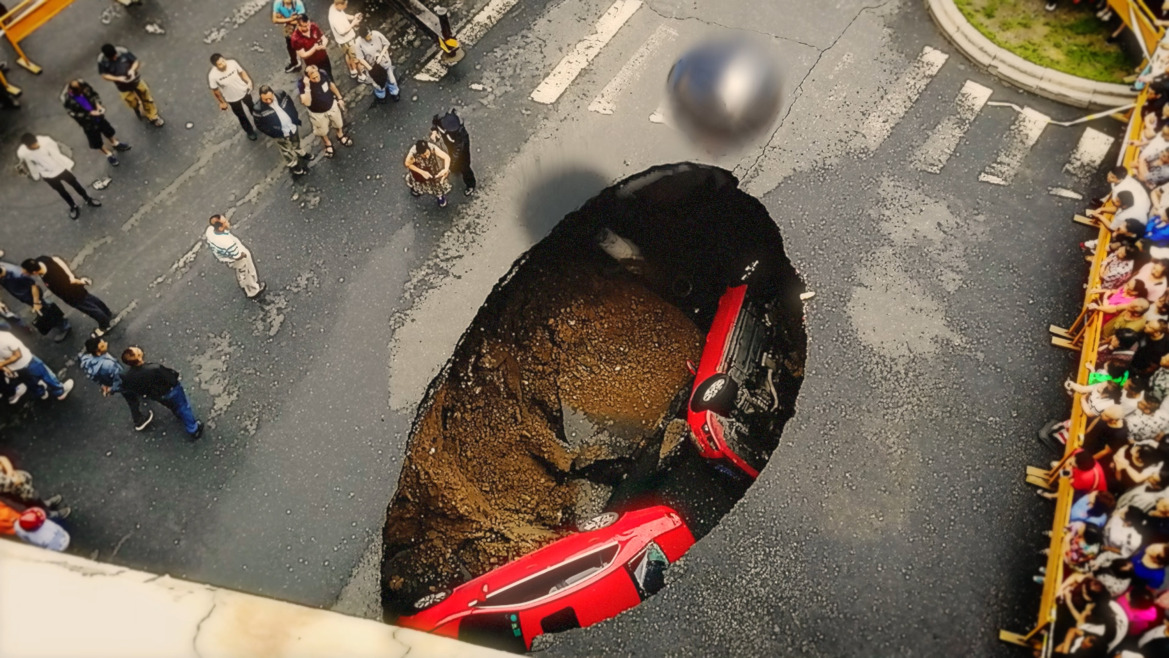
Martins Kohout, Driving Fast Nowhere. Down. Down. Down, 2025 (videostill)
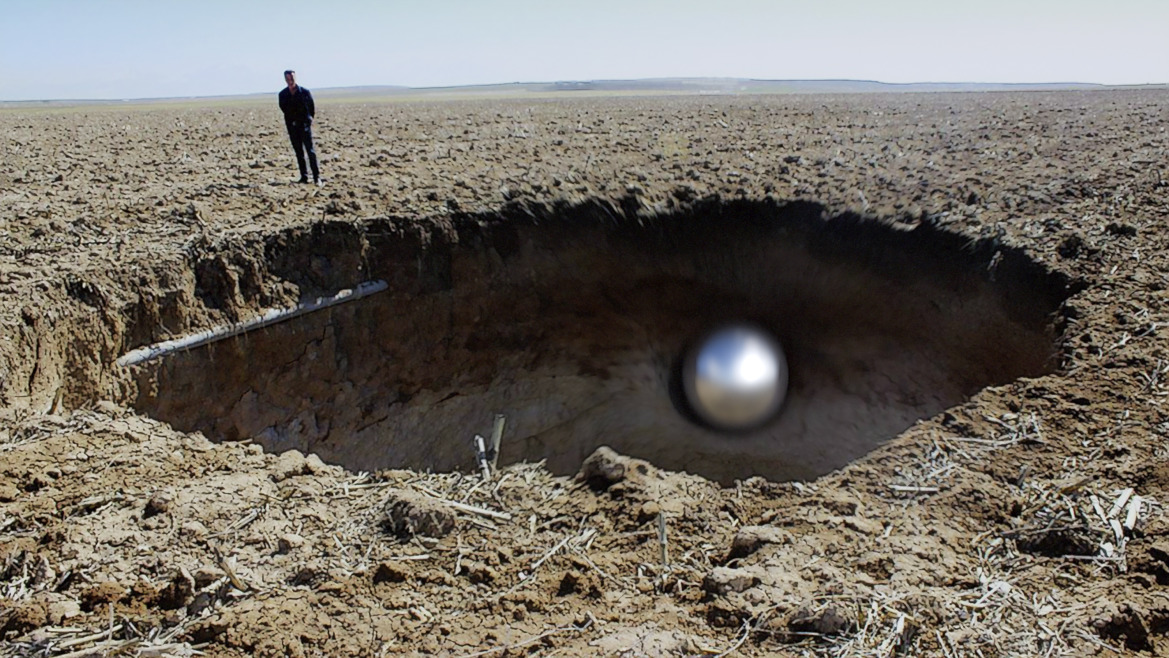
Martins Kohout, Driving Fast Nowhere. Down. Down. Down, 2025 (videostill)
Martins Kohout, Driving Fast Nowhere. Down. Down. Down, 2025 (videostill)
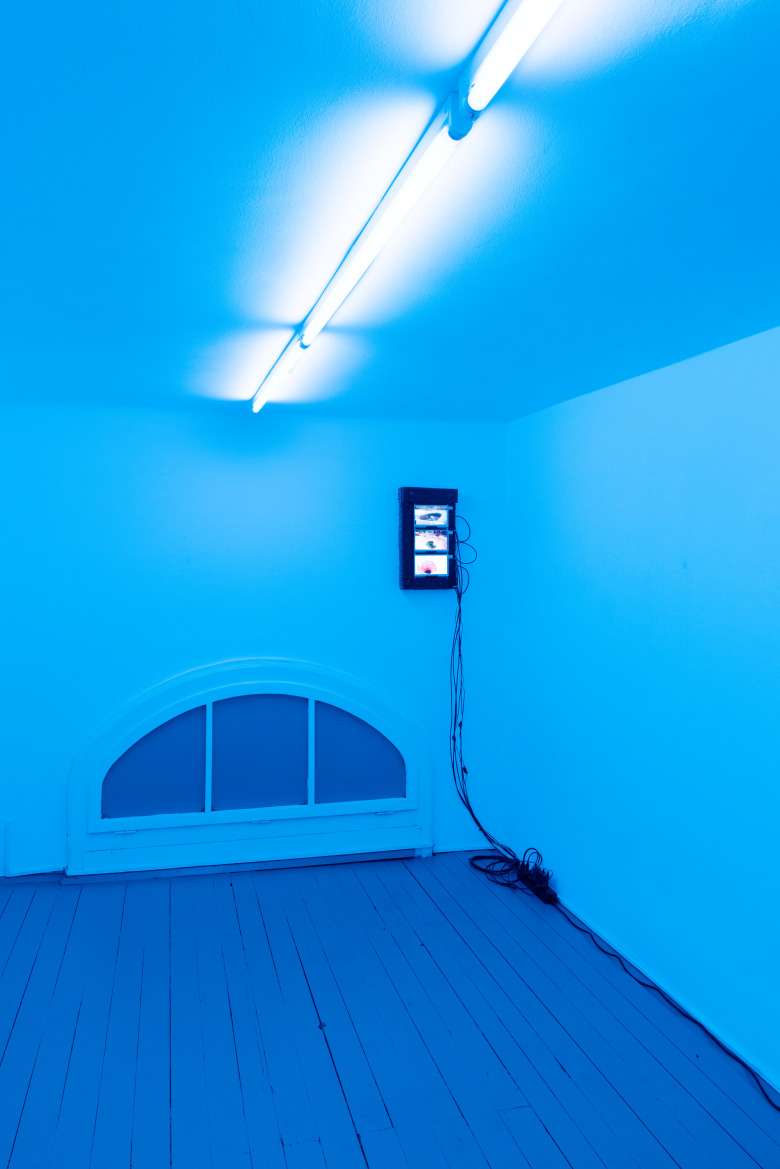
Martins Kohout, worromorrow, Installation view, EXILE, 2026
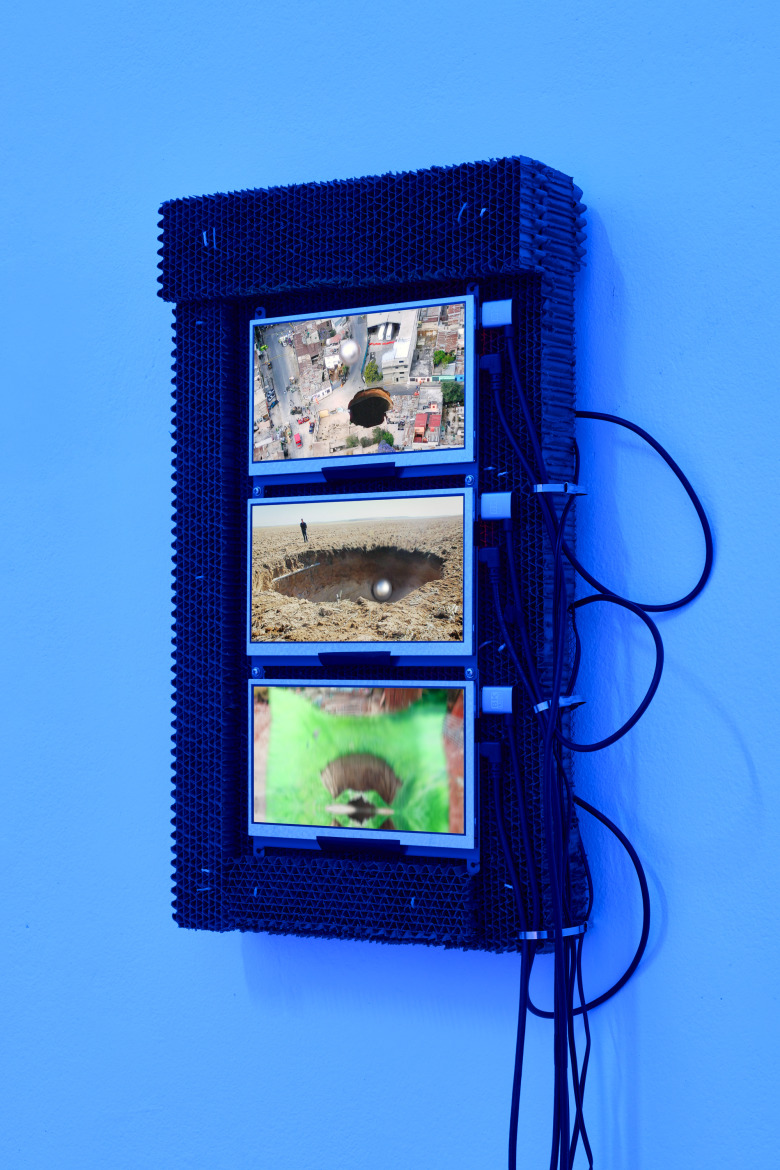
Martins Kohout, Driving Fast Nowhere. Down. Down. Down. 2025, video object, various materials, 47 x 26 x 9 cm. Photo by Jan Kolsky
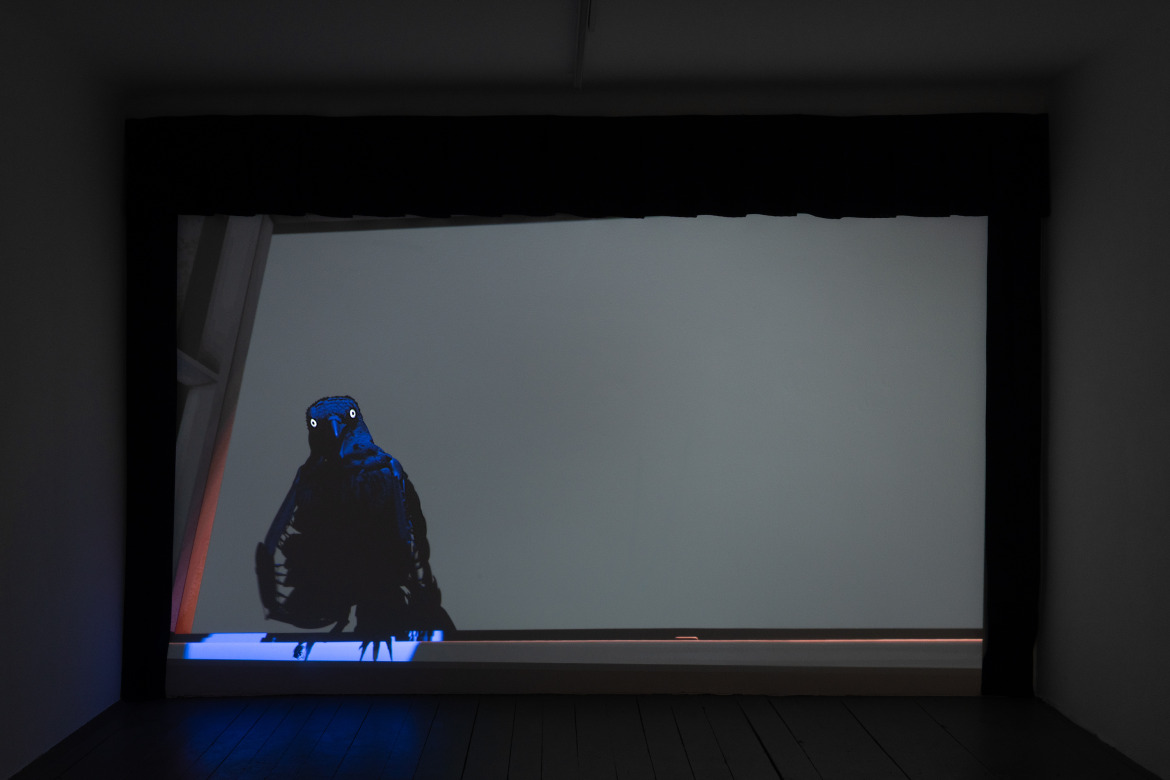
Martins Kohout, worromorrow, Installation view, EXILE, 2026
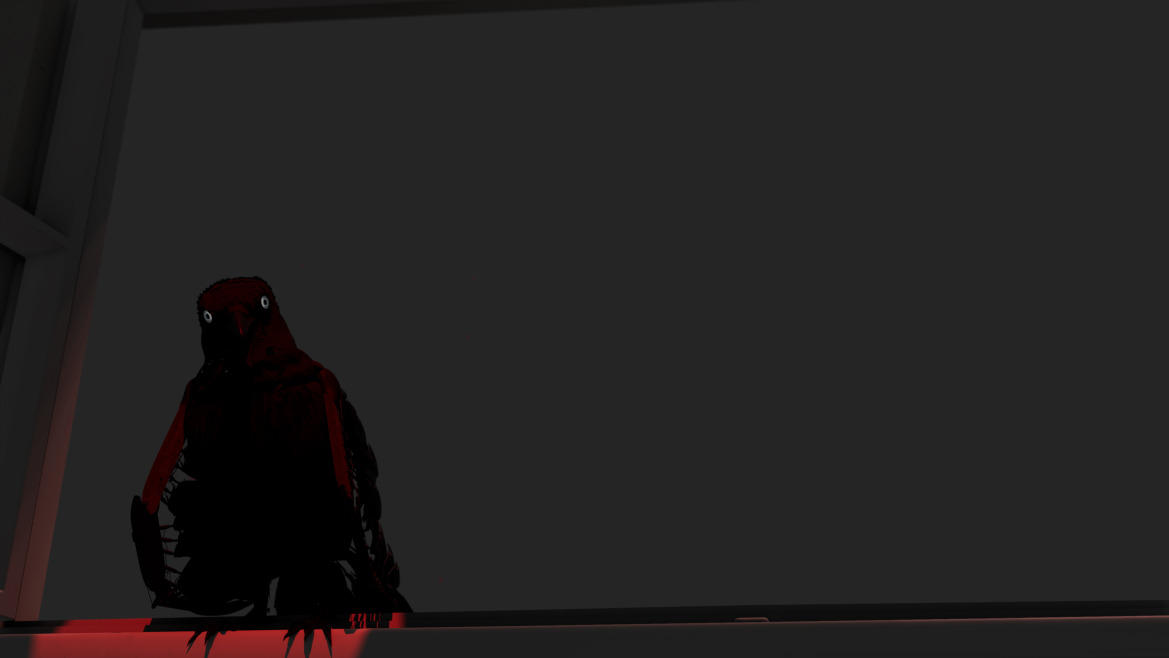
Martins Kohout, Grumpers (Late to The Joke), 2025, various materials and durations (videostill)
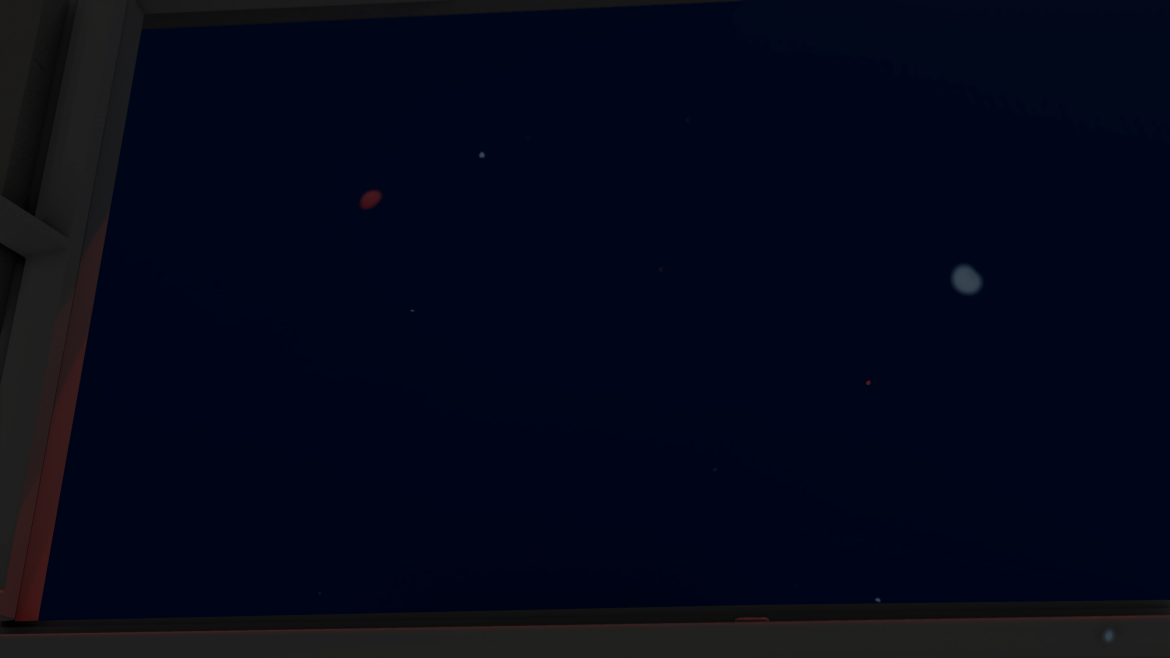
Martins Kohout, Grumpers (Late to The Joke), 2025, various materials and durations (videostill)
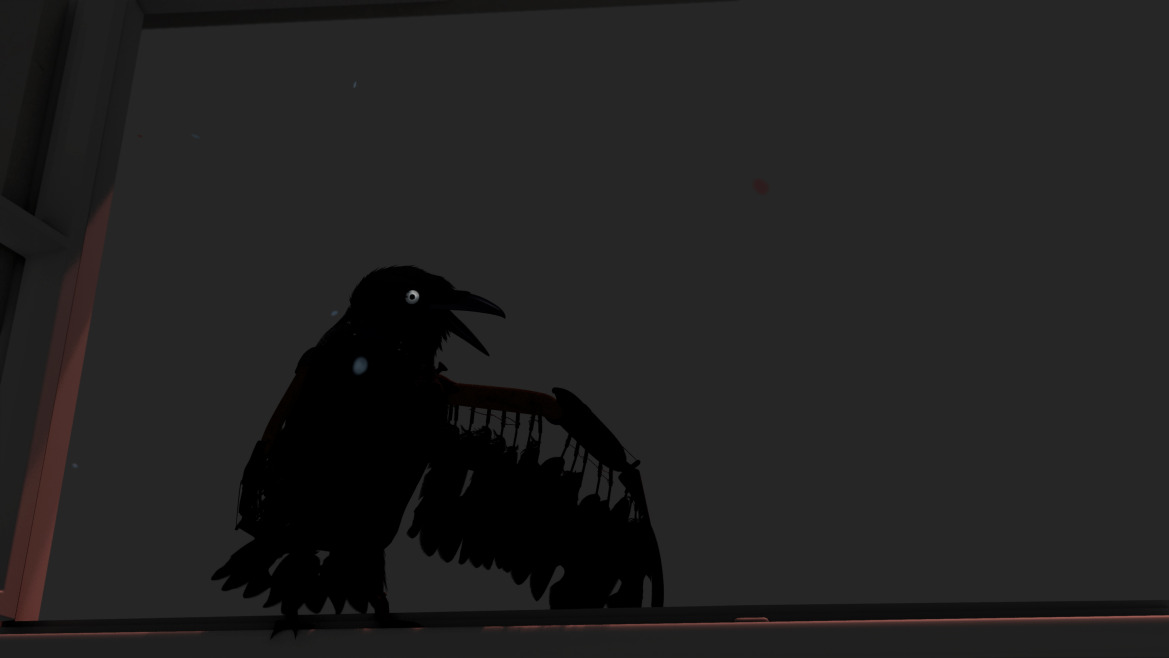
Martins Kohout, Grumpers (Late to The Joke), 2025, various materials and durations (videostill)
Following their solo show at Meetfactory in Prague, EXILE is pleased to present a new solo exhibition by Berlin-based artist Martins Kohout entitled worromorrow. It is the artist’s fifth solo show at EXILE since 2014.
In Symbolic Exchange and Death (1976), OG–gothboy Jean Baudrillard introduces a theory I have always found interesting. He positions death as the nemesis of capitalism, arguing that it cannot be integrated into regimes of productivity, accumulation, or exchange. In premodern and some non-capitalist cultures, death functioned within symbolic exchange – ritualised, collectively mediated, and embedded in cyclical temporalities that sustained relations between living and dead. Capitalism, by contrast, expels death from symbolic circulation, fixing it as an absolute end, or ultimate ‘Other’, vis-à-vis a linear temporality of production and progress. Symbolic exchange instead situates value in reversible cycles of giving and loss that cancel rather than accumulate value, escaping quantification.
Death appears across Martins Kohout’s world of worromorrow as an ambient aesthetic and ontological proposition, circulating through sound, image, and material form. It haunts the fatality of sinkholes, the ghostly choral voices, the purgatorial blue light filling the gallery, and the figure of the crow as an omen of misfortune. Read through Baudrillard, Martins’ investment in suspended states, looping structures, hints of DIY ‘messiness’ and unresolved temporalities takes on an anti-capitalist dimension. The works stage a ritual beyond productivity and linear time, grounding their world in a liminal loop that resists efficiency and closure.
Entering the gallery, we are welcomed by a pale blue light and a soft, improvised singsong – “a friend… of a friend… of a friend…” – set against a constant hum that drifts between harmony and discord. The voices and recording remain intentionally imperfect, honouring play and the act of doing without a fixed outcome or product. Recorded collaboratively with a group of friends, the sound piece Still there, more or less, or not (Reanimated) spreads across both levels of the exhibition, bleeding into the auras of other works, establishing a sense of interconnection between strangers.
Upstairs, Driving Fast Nowhere. Down. Down. Down. hits a more manic note. The hypnotic, vertigo-inducing loop follows a metallic steel ball plummeting through a rapid sequence of found images of sinkholes. The reflective sphere – a tool commonly used in 3D design to capture and mirror surrounding environments – falls endlessly as the images cut abruptly from one to the next, collapsing into one another as if swallowed by a sequence of black holes. Martins spoke to me about a recent sinkhole in Bangkok, where onlookers moved closer rather than fleeing, filming the expanding void on their phones. This impulse feels symptomatic of a contemporary attention economy shaped by crisis consumption: a form of spectatorship with a kink for catastrophe. The accelerated falling of the ball translates the tempo and affective logic of algorithmic image culture into a bodily sensation of lost control. This state of agitation and overwhelm echoes what Franco “Bifo” Berardi describes as a “basic pathogenic picture” symptomatic of late-capitalist society: hyper-stimulated nervous energy, informational overload, and strained attention. In this condition, acceleration becomes a source of panic and exhaustion. Crucially, for Berardi, this psychic strain is inseparable from material conditions of labour: from the instability, competition, and chronic uncertainty that define contemporary forms of work.
Minutes before our phone call to discuss the exhibition, Martins texted me: “just need to send few more emails, hustling for jobs etc.” I replied: “i spent the better half of today drafting an email to a museum in zurich who invited me to review an exhibition in february – they asked me to book my own flights and they’ll reimburse, but i can’t afford the flights.”
Precarity as methodology is present throughout the exhibition. Martins’ commitment to DIY – visible in the makeshift cardboard frame and exposed cables of Driving Fast Nowhere and the imperfect soundtrack – operates simultaneously as a political position and a necessity. It reflects the material histories, working conditions and infrastructures of the Eastern European context Martins and I both originally come from, while pushing against capitalism’s demand for seamless production, optimisation, and polish. The nervous acceleration described by Berardi echoes with the lived experience of the precarious creative class.
In the adjacent upstairs room, the looping work Grumpers (Late to The Joke) fixes its frame on a 3D-rendered window. Beyond, soft, petal-like particles drift against a dark, stormy sky, lending the scene a subdued cinematic, almost spiritual quality. These particles function as a world-building device – a visual cue of transgression into a different register of space and time (also reminding me of Stranger Things). A solitary crow intermittently enters the frame with the force of a jump scare. This macabre companion – half-organic, half-robotic – sometimes stares directly into the camera with shimmering, button-like eyes; other times it turns its back, its mechanical feathers ruffled by the gathering storm. The video is rendered at an extremely low samples rate, resisting polish in favour of something uncanny and retro-nostalgic. The work emerged from Martins observing birds from their living room window, isolating a mundane moment as if viewed from a dystopian future shaped by environmental collapse and technological singularity – a world in which threatened species persist in a quasi robo-zombified state.
Repetition and ‘the loop’ runs through the exhibition as a structuring principle, tied both to cyclical time and to states of liminality or haunting that resist linear progression. A commitment to this circular sense of time is articulated with particular clarity in Martins’ performance at the National Gallery of Prague in 2021, which centred on argon particles – a gas that rarely binds with others and remains chemically unchanged over vast spans of time. As Martins explained, the same particle you are breathing right now could have passed through someone else’s lungs centuries ago. The work redirects focus away from monumental history toward the minor-register, and encapsulates Martins’ investment in feeling and relation – proposing connection through accidental proximity and shared material passage, kinship between not-so-strangers, between a friend… of a friend… of a friend… of a friend.
Sonja Teszler
→Leaving the house with an open fire, but briefly, Meetfactory, Prague (Oct 30, 2025 – January 11, 2026)